22 Aug –
28 Aug 2026
Workshop: Monstrous Waters
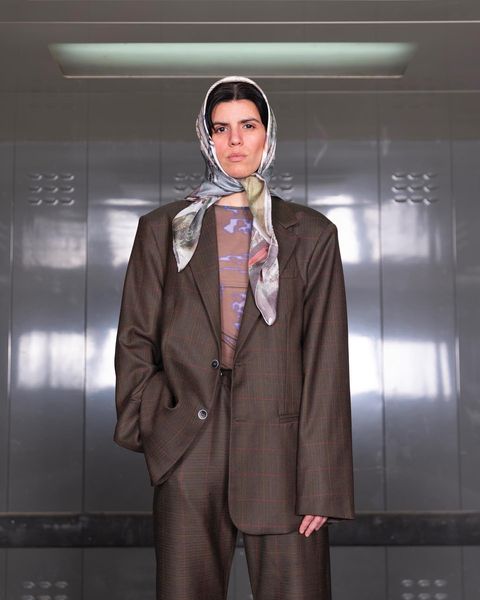
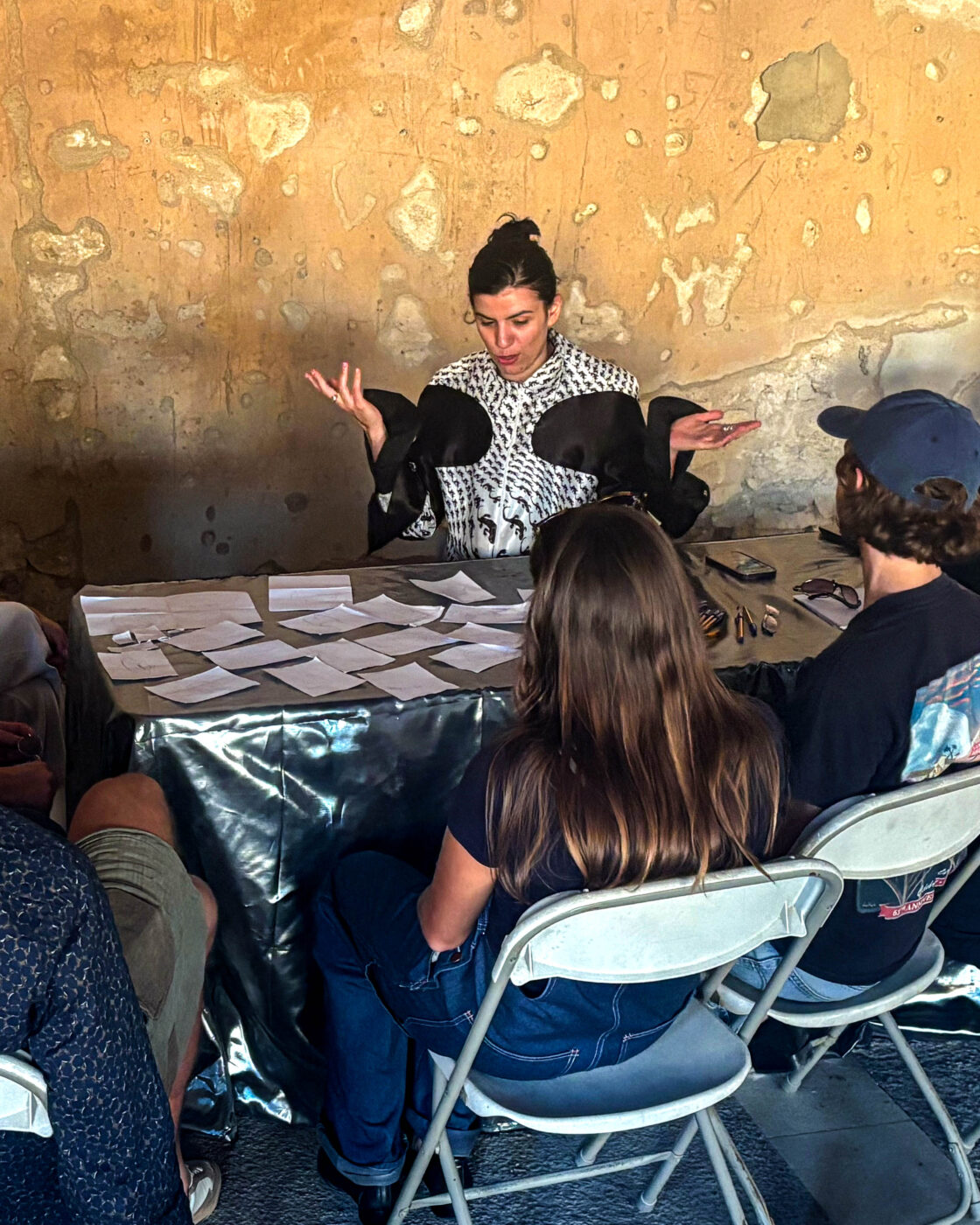
As part of the finissage weekend of the exhibition Wild Waters: Dams and Deltas after Modernity, Framer Framed hosts a two-day collective narrative workshop organised by artist Niki Danai Chania and historian Pepijn Van Eeden. It explores the space where personal experience meets mythology, local histories and the forces – visible and invisible – that shape relationships with water. The workshop consists of two parts taking place on 22 and 28 August from 11:00 to 15:00.
Participants are introduced to a collage-based method combining auto-fiction, cut-up techniques, symbolism and world-building, developed from Chania’s artistic practice, to create new hybrid narratives and creatures. Working with symbols, fragments from memory, folklore, legends, environmental anxieties, dreams, historical facts and observations gathered during a psycho-geographic walk around the canals surrounding Framer Framed, participants build shared mythologies that blur the boundaries between the personal and the collective, the ancient and the contemporary.
Together with Van Eeden, the workshop explores how water has shaped the Dutch landscape, imagination and everyday life through local histories and myths. Through symbol hunting, collective storytelling and a final reading by the canal, it engages with the city and its waters, offering back to them the stories, creatures and new myths that emerge through this collective exploration.
The workshop is open to everyone, regardless of prior artistic experience. Rather than focusing on technical skill, it offers participants a new way of looking at the city, connecting individual experience with local history and experimenting with collaborative storytelling. Participants leave with new creative tools for narrative construction, a deeper connection to place, and a collective mythology built together over two days.
Programme
Saturday 22 August, 11:00 – 15:00
11:00 Presentation of the Practice
12:00 Psychogeographic tour with Pepin van eeden
14:00 Back to Framer Framed
In preparation for the following workshop, participants create a short written piece or drawing inspired by their personal experiences and stories they’ve heard about local waters.
Friday 28 August, 11:00 – 15:00
Creative works are read aloud and then presented along the canals as symbolic offerings to the water. The session concludes with a shared reflection and evaluation at Framer Framed.
Please register here. Participants are kindly asked to join both sessions on 22 and 28 August. Limited spaces available.
About the exhibition
The Dutch landscape is interwoven with water: a vast network of rivers, canals, aquifers and engineered waterways flowing above and beneath the ground. For centuries, inland water has been both a source of life and a persistent threat to Dutch society. In response, engineers constructed dikes, canals and storm surge barriers to protect land that lies below sea level. These infrastructures produced not only safety, but also a national mythology of mastery over a resource that doesn’t always flow in such abundance.
During the era of global modernisation, dams and river engineering came to symbolise technological progress and national development. The Aswan High Dam, completed in 1970 under Gamal Abdel Nasser, brought hydroelectric power to thousands of Egyptians and transformed the Nile into an emblem of postcolonial ambition. Yet such projects have often been accompanied by displacement, ecological damage and the erasure of histories. In neighbouring Libya, the canalisation of wells enabled Italian colonial authorities to control access to water as a mechanism of dispossession, while the later abandonment of infrastructure contributed to the catastrophic floods in Derna in 2023. In occupied Palestine, the Zionist project framed through the idea of “making the desert bloom” was predicated on the extraction and redirection of underground waterways tied to longstanding traditions, agricultural practices and oral histories.
The exhibition Wild Waters (2026) traces the entanglements between water, colonial expansion and territorial exploitation through works by artists Jumana Emil Abboud, Suzette Bousema, Ewa Ciepielewska & Agnieszka Brzeżańska, Giovanni Giaretta, Adelita Husni-Bey, Anna Moreno, Suat Öğüt, Eunice Pais, Ashfika Rahman, Morteza Soorani, and Abdo Zin Eldin. Across their practices, ancient myths and contemporary struggles converge in the deltaic cultures of Bangladesh and the Ebro Delta, as well as along the Meuse, Vistula, Tajo and Tigris.
Floods and hydraulic interventions emerge as tools of political erasure: from the submerged Kurdish town of Hasankeyf, to the Shatt al-Arab where the Tigris meets the Karun, communities face pollution, ecological collapse, and forced displacement from lands long regarded as the cradle of agriculture. As the climate crisis intensifies, access to fresh water is increasingly threatened, while infrastructures continue to redirect and commodify this vital resource in service of political and economic power.
Info & Credits
This event is in English. Admission is free, pay what you can. Do you also think art should be free and accessible? Please consider supporting us with a donation when registering or by becoming a Framer Framed Friend! This event may be photographed and filmed. Kindly let us know in advance if you prefer not to have your picture taken. For seated programmes, places are always made available for wheelchair users. Please speak to the host before the programme begins.
Wild Waters: Dams And Deltas After Modernity is curated by Àngels Miralda and on show at Framer Framed until 30 August 2026. The exhibition is realised with the support of the Institut Ramon Llull.
Framer Framed is supported by the Ministry of Education, Culture and Science; Amsterdam Fund for the Arts; Municipality of Amsterdam; and VriendenLoterij Fonds.
Location
Framer Framed
Oranje-Vrijstaatkade 71
1093KS, Amsterdam
Ecology / Amsterdam Oost / Community & Learning / Extractivism / Workshop /
Exhibitions
Exhibition: Wild Waters
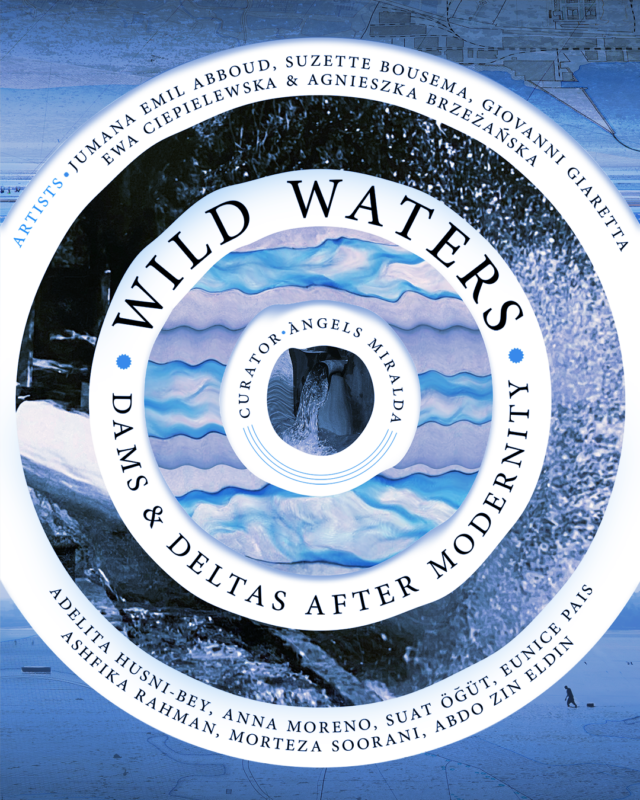
Curated by Àngels Miralda, the exhibition examines water as both a life-sustaining resource and an instrument of political power
Agenda
Guided Tour: Wild Waters: Dams and Deltas After Modernity
Guided tour by curator Àngels Miralda of the exhibition Wild Waters
Artist Talk: Hydropolitics of Occupation
As part of the finissage of Wild Waters, Framer Framed organises an artist talk with Jumana Emil Abboud and Areej Ashhab on the significance of water in the Palestinian landscape
Sprouts Film Festival: Aquatic Short Stories
Film screenings and conversations explore our relationship with water, aquatic histories and speculative fiction
Network
Pepijn van Eeden