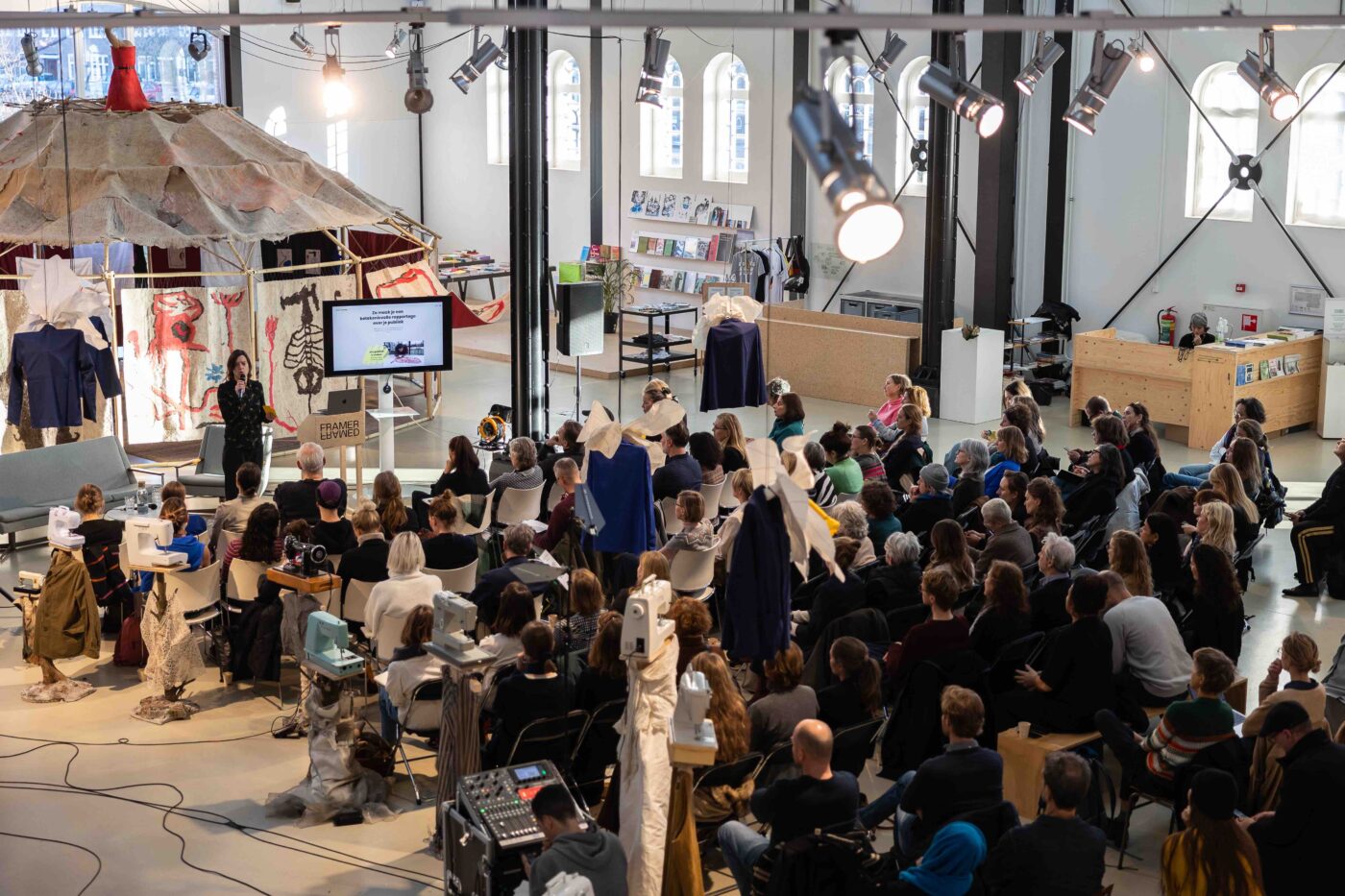
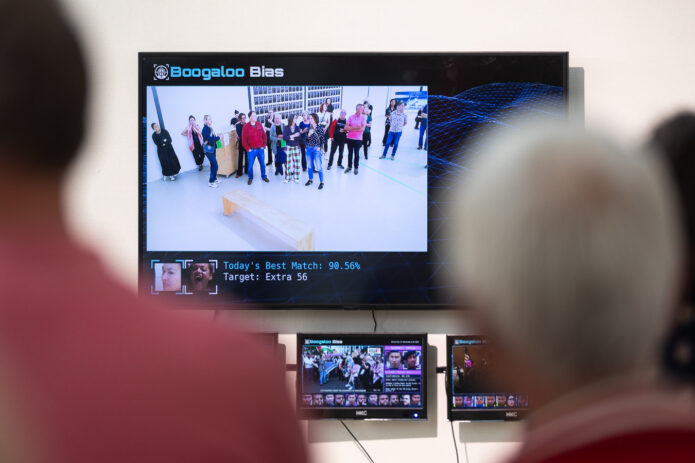
 Symposium: Dit is ons publiek. Foto: Framer Framed / Maarten Nauw
 Framer Framed joins PublicSpaces, a network of organisations committed to a fair and independent digital domain
On the Ringvaart in Amsterdam East you’ll find Framer Framed, the newest partner in the alliance of PublicSpaces; a network of public organisations, such as broadcasters, heritage institutions, festivals, libraries, museums and education organisations. Collaboratively, these institutions work towards a solution for a common problem: our dependency on ‘big tech’.
Below is an interview with Stefan Wharton, Head of Communications & PR at Framer Framed, who oversees the digital strategy and development of the online communication channels, including the digital archive: ‘In the coming year, we want to further develop our digital archive into a truly public tool.’
25 August 2025, Amsterdam
Hi Stefan, why did you decide to join PublicSpaces?
Our affiliation with PublicSpaces comes from a shared belief that digital spaces, just like physical public space, must be strengthened by public values. We see how the internet is becoming increasingly dominated by a small number of Big Tech companies. These parties have unprecedented economic and infrastructural power, making public organisations and citizens increasingly dependent on their services and conditions. Their revenue models are often based on the collection of personal data, which leads to a shift in control from the user to the provider. Framer Framed would rather build a digital infrastructure that protects our audience and our partners and offers space for autonomy and collective ownership. PublicSpaces offers us a network of like-minded institutions that are developing and promoting alternatives together, so that we as a cultural sector can become less dependent on commercial tech giants and retain more control over our own digital spaces.
The manifesto of PublicSpaces that you signed consists of a number of public values. What are the public values that are particularly important to your organisation?
For Framer Framed inclusivity, justice, autonomy and transparency are core values – both in our physical programme and our online activities, where digital autonomy plays a key role. Public organisations must have a say in their use of technology, infrastructure and data. For us that means developing and maintaining our own systems, instead of relying on commercial platforms that don’t share our values. These principles also guide how we make our archives accessible and how we involve our community in the creation of knowledge.
Our digital archive is an important tool: an online knowledge database where information about exhibitions, events and publications can be saved and reused. Visitors, researchers and artists can make their own connections and bring about new results. The archive is closely connected to our Hybrid Publication Tool, developed in collaboration with Archival Consciousness, which can convert content from the archive into online publications and physical books or catalogues. The PublicSpaces manifesto can be found here.
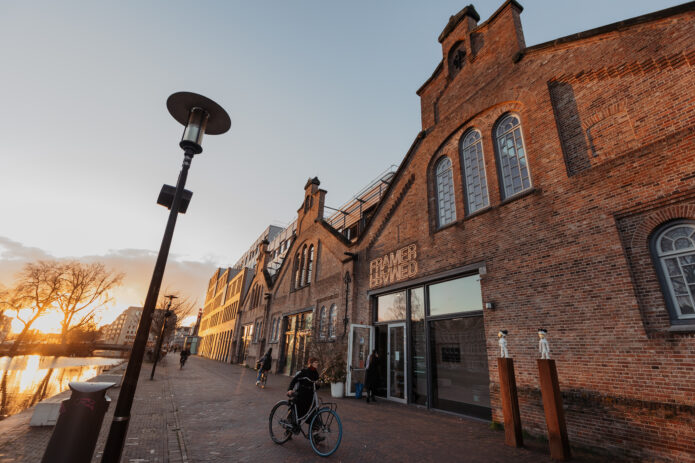
Photo: Laura Ponchel
What do you hope to achieve with the PublicSpaces coalition?
With the PublicSpaces coalition we want to contribute to a digital ecosystem in which cultural and social organisations collaborate on technology that puts public values first. We hope to share knowledge and resources, and exert joint pressure to create frameworks for policy that protect public interest. This concerns the standards that determine our digital lives, which are largely in the hands of private companies with little democratic oversight. By working with PublicSpaces we would like to show that there are alternatives to our dependency on these groups, and that public organisations can determine their own technological course. Therefore its important for us to not only develop internally but also to make our audience aware of these choices, so that they are actively involved in the discussion.
What changes have you already set in motion?
Framer Framed has been working on its digital autonomy for over 12 years. In 2014 we acquired our first server, and started to bring our digital means of production under our own control. We initially ran it on the open-source platform OwnCloud, and have since moved several generations forward to NextCloud. Today, the server supports not only document storage but also our shared calendar and tools for project management, video conferencing and internal messaging, offering us independence from platforms like Google Drive, Microsoft Teams, Trello, Asana, Zoom and WhatsApp.
Since 2024, our email runs on the open-source software Roundcube. We are also reducing our dependence on Google – in 2025, we transitioned from Google Analytics to Matomo, an open-source and privacy-friendly analytics platform, and are encouraging the use of alternative search engines like Duck Duck Go or Ecosia across the organisation and beyond.
Under Eon Musk, X (formerly known as Twitter) has degenerated into a platform for disinformation, hate, discrimination, and political influence. In the Netherlands, X undermines the democratic rule of law. X employs only one Dutch-speaking moderator, giving online hate and intimidation free rein. That is why Framer Framed supports the DetoX campaign; as of January 2025, we have left X. Whether you are a journalist, politician, cultural organization, political party, media platform, or an individual: show that you have no business being on X anymore. Major civil society organizations and companies such as KRO/NCRV, Volkskrant, and Trouw have already left X. Volt was the first political party to announce its withdraw from X. They show that it is possible. We, too, have stopped maintaining our account and will deactivate it in due course.
What would you first like to work on in the coming year in the digital sphere and around public values?
Not all of our objectives are immediately achievable or feasible. While we have already taken significant steps toward developing an independent digital back-office and ICT infrastructure, our public engagement still depends heavily on commercial platforms like Instagram. To address this, we are implementing a phased approach to familiarise ourselves with the Fediverse. In 2025 we started experimenting with the social media platforms Mastodon and Pixelfed; free from external, biased algorithms and data extraction. We have the intention to start with a self hosted ‘instance’ of Mastodon and Pixelfed in 2026. Simultaneously, we are promoting knowledge exchange within the sector and with the public, helping everyone gradually become comfortable with decentralised, privacy-conscious networks. In addition, we maintain an annual plan for Privacy, Shareability, Autonomy, and Transparency (PDAT), which establishes specific objectives for each policy period.
In the coming year, we would like to further develop our digital archive into a truly public source for research, allowing visitors to make their own connections and construct their own stories. Additionally, we we want to experiment with forms of digital community engagement that don’t revolve around data extraction or advertising but building long-lasting relationships. With these steps, we are increasing our digital independence and embedding public values in everyday practice.
This article first appeared on the PublicSpaces Website.
- PublicSpaces
Links
Politics and technology / Art economy and policy /
Agenda
DATAGOV: Governance by Data Infrastructure in the Post-Pandemic Democracy
A programme investigating the impact and social costs of regulatory data infrastructures
Network
Paul Jongsma
Digital Autonomy Co-ordinator

Stefan Wharton
Communication & PR
Magazine
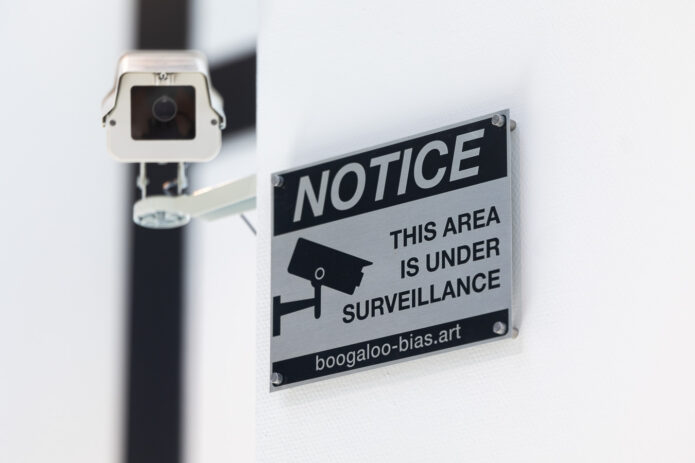
Democracy, Digital Commons & Digital Autonomy / Politics and technology /

Politics and technology /
Letter to Parliament: Protect Organisations from Sanctions Pressure
Politics and technology / Citizenship / Democracy, Digital Commons & Digital Autonomy / Political Climate /
Towards Digital Independence
New media / Subversive Publishing /